Start a mobile detailing business in Charlotte.
A practical, local guide to launching and growing a mobile auto detailing business in Charlotte and Mecklenburg County — the real costs, the income, the NC rules most guides get wrong, and how to get booked. Written by the Charlotte Auto Detailers team.
Starting a mobile detailing business in Charlotte takes three things most guides skip: a legal setup that fits North Carolina, a price list that accounts for NC sales tax, and a way to wash cars without breaking Mecklenburg County's storm-water rules. Get those right and a solo operator can be booking $175–$575 details within weeks. This hub walks through every step, with Charlotte-specific numbers and the local rules spelled out.
The Charlotte reality check
Four local facts that decide whether you're legal and profitable — current as of June 2026.
North Carolina has no single statewide business license, and most local privilege license taxes ended in 2015. You'll form an entity (e.g., an LLC), get an EIN, and register with the NC Department of Revenue — the state tax registration is free. NCDOR
Since Jan 1, 2017, NC taxes detailing as a service. In Mecklenburg County the rate is 7.25%, rising to 8.25% on July 1, 2026. You collect and remit it on every package. NCDOR RMI
Charlotte Code Sec. 18-80 makes "commercial vehicle Washwater" reaching a storm drain an illicit discharge — up to $10,000/day. Capture and reclaim it, or go rinseless/waterless. Charlotte Ord. 9802
A lean solo kit runs about $3,000–$7,000; a full mobile van setup runs roughly $10,000–$25,000 (industry estimates, 2025). The cost guide itemizes both.
Sources are linked inline and listed at the bottom. Figures marked as estimates are industry ranges; we flag anything we can't verify rather than guessing.
Already detailing in Charlotte?
Skip the startup grind. Get listed in our network and we'll send you customers who are actively requesting quotes in your area.
The complete guide, step by step
Start here
The map and the first moves.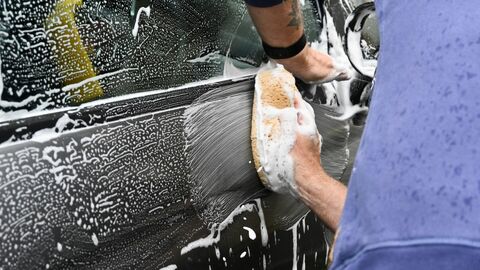 How Much It Costs to Start in Charlotte Three honest, itemized budget tiers — from a lean solo kit to a full mobile van — with NC-specific line items. Read the guide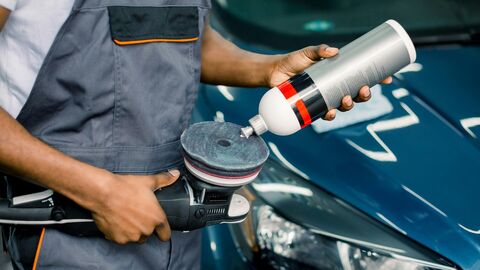
Make money
What you can earn, and how to price.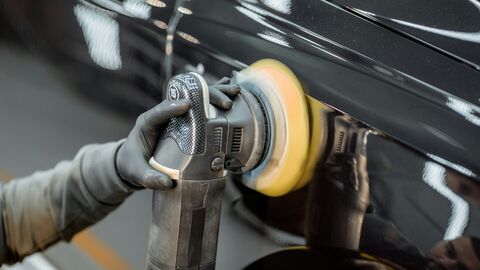 How to Price Detailing Services in Charlotte Local price bands by package and vehicle — and exactly how to handle NC sales tax on the invoice. Read the guide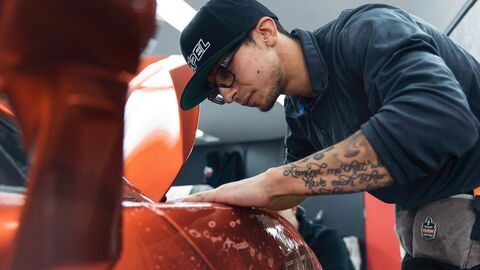
Stay legal
The Charlotte/NC rules nobody else explains.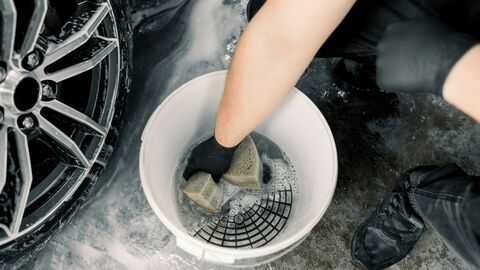 Water, Power & Equipment for Mobile Detailing Tanks, pressure washers, generators, and a storm-water-compliant water-reclaim setup for Mecklenburg County. Read the guide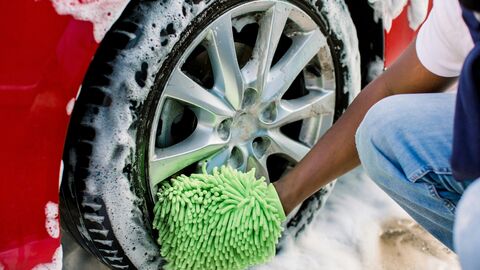
Grow
More jobs, more vans, a site that converts.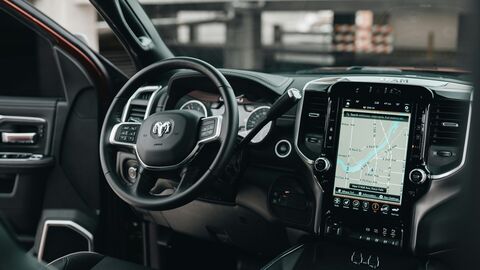 How to Build a Mobile Detailing Website What a service-area site needs to convert — and how to have us build one for you. Read the guide
  How to Scale a Mobile Detailing Business When a second van actually pays for itself at Charlotte prices, and what changes when you hire. Read the guide
 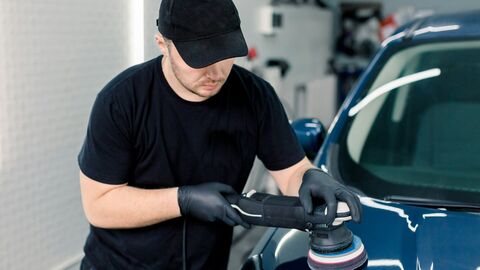 Best Cleaning Materials & Chemicals — What They Cost A real working kit with honest price ranges and what matters for Charlotte humidity and pollen. Read the guide
Frequently asked questions
Do you need a license to start a detailing business in North Carolina?
North Carolina has no single general state business license, and most local privilege license taxes were eliminated in 2015. To operate legally a Charlotte mobile detailer typically forms a business entity (such as an LLC with the NC Secretary of State), gets a federal EIN, and registers with the NC Department of Revenue for a Sales & Use Tax Certificate of Registration, which is free. A home-based operation also needs a City of Charlotte Zoning Use Permit for a home occupation.
Is auto detailing taxable in North Carolina?
Yes. Since January 1, 2017, North Carolina taxes car wash and detailing as a repair, maintenance, and installation service on a motor vehicle, so a detailer must collect and remit sales tax on detailing packages. In Mecklenburg County the combined rate is 7.25% and rises to 8.25% on July 1, 2026. Self-service washes are exempt, and standalone interior carpet/upholstery shampooing can be non-taxable if sold separately from washing or detailing.
Can you wash cars in a driveway or on the street in Charlotte?
Not as a business if the wash water reaches a storm drain, street, or gutter. Charlotte City Code Sec. 18-80 prohibits illicit discharges, and the ordinance names "commercial vehicle Washwater" and "soaps/detergents" specifically; the exceptions in Sec. 18-81 cover single-family residential washing only, not commercial detailing. Penalties reach $10,000 per day, so compliant mobile detailers capture and reclaim wash water or use rinseless/waterless methods.
How much does it cost to start a mobile detailing business?
A lean solo setup using your own vehicle and prosumer equipment commonly runs about $3,000–$7,000, while a professional setup with a dedicated van and commercial-grade tools runs roughly $10,000–$25,000 (industry estimates, 2025). In North Carolina the state tax registration itself is free; budget separately for insurance and a water-reclaim setup.
Is mobile detailing profitable in Charlotte?
It can be. Charlotte full interior-and-exterior details commonly run $175–$575, and a solo operator completing two to three jobs a day at those prices earns far more than the roughly $16/hour an employed detailer makes locally. Profitability depends on your pricing, costs, and how consistently you book — which is what the income and pricing guides break down.