Some links on this page earn us a commission — disclosure.
Chemical Guys VRP is one of the most-bought detailing products in America — 4.6★ across 38,194 Amazon ratings (as of July 2026), sitting at #4 in Amazon’s entire wheel-care category. It’s also one of the most argued-about, because everyone eventually asks the same three things: does it sling onto paint, is it too shiny for interiors, and should I just buy 303 instead?
We pulled the real answers from forum testers, pro reviews, and thousands of user reports. Short version: VRP is a legitimately good product with two avoidable failure modes — and the VRP vs 303 answer depends entirely on which finish you want. (VRP sits in the Fine tier of our Chemical Guys tier list; the brand-vs-brand question is settled in Chemical Guys vs Meguiar’s.)
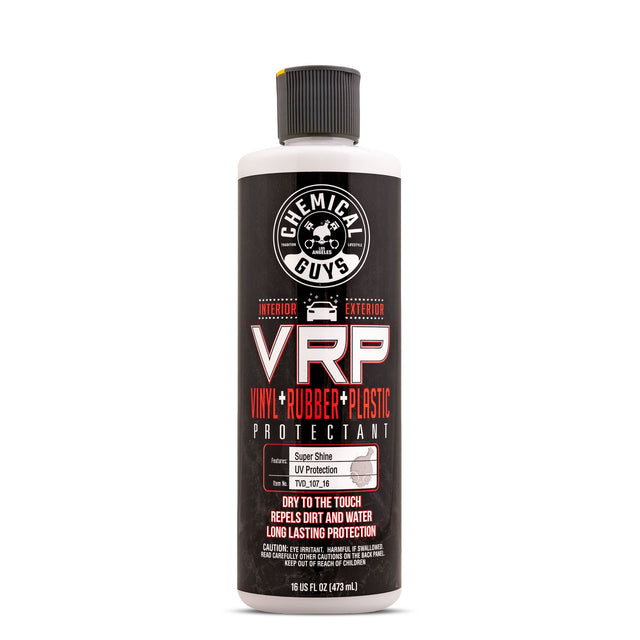
What VRP Actually Is
VRP stands for Vinyl, Rubber, Plastic — a water-based dressing that restores a dark satin look and adds UV protection to tires, exterior trim, dashboards, door panels, and engine-bay plastics. One bottle, interior and exterior, and it dilutes with water if you want less shine. That versatility is why it shows up in nearly every “starter kit” thread — including our own detailing supplies guide.
Amazon’s aggregated review summary captures the crowd verdict well: customers praise the non-greasy, dry-to-the-touch finish, while opinions on longevity are “mixed — some say it lasts a long time… others report it doesn’t last long and washes off in rain.” Both camps are describing the same product used two different ways. More on that below.
Does VRP Sling? The Honest Answer
This is the big one, and the answer is: yes, if you over-apply it on tires — and basically never if you don’t.
The mechanics are simple. Tires flex and spin; any dressing sitting on top of the rubber instead of absorbed into it becomes a centrifuge experiment at 40 mph. An experienced AutoGeek reviewer who applied thin coats reported the opposite of the horror stories: “Spreads out nicely. Leaves a nice finish that is dry to the touch. No sling.”
The no-sling recipe, straight from people who’ve done it hundreds of times:
- Clean the tire first — dressing over brake dust and old silicone is what peels off in sheets.
- Apply with an applicator pad, not by spraying at the tire. Work it in.
- Thin coats. One thin coat, let it absorb 10–15 minutes, wipe the excess with an old towel.
- Don’t drive immediately. Give it a half hour.
Skip those steps and yes — you’ll be washing black speckles off your rocker panels. (One warning while we’re here: Chemical Guys’ separate Tire + Trim Gel is oil-based and has genuinely nasty sling stories, including a Tesla owner whose vinyl wrap needed professional replacement. Don’t confuse the two products.)
On Interiors: Good, and Often Too Shiny at Full Strength
VRP leaves a richer, more satin-gloss finish than a lot of people expect on a dashboard. Fans love it: “The best stuff I’ve used that lasted forever on my dash was Chemical Guys VRP,” per one AutoGeek user. Others in the same thread bounced off it: “I tried (diluted) VRP on my interior…still way too shiny…only use it for tires now.”
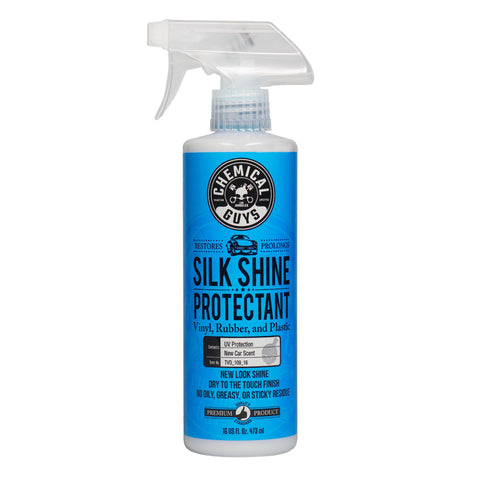
The fix is dilution — 1:1 with water knocks the gloss down substantially — or simply choosing the right tool: if you want a factory-matte dash with zero shine, Chemical Guys’ own Silk Shine (4.9/5 and a 98% recommend rate on their site — their best-loved dressing) is the drier-finish alternative.
One place VRP quietly shines: anodized and plastic window trim. A thin coat is exactly what we recommend as the maintenance step in our Tesla window-trim discoloration fix.
How Long Does It Last?
Set expectations correctly and VRP over-delivers; set them by the bottle’s vibes and you’ll be disappointed:
- Interior surfaces: weeks to months. UV-protected, dust-resistant, done.
- Exterior trim: 3–4 weeks, less with frequent washing or heavy rain.
- Tires: 1–2 weeks realistically. It’s water-based — a hard rain after application will take some of it with it.
That’s the honest trade of a water-based, non-greasy dressing. If you want tire shine that survives a month of weather, you’re shopping for a heavier gel product and accepting sling risk in exchange. There’s no free lunch in tire dressings.
VRP vs 303 Aerospace Protectant
The eternal matchup — and there’s genuinely no article-length answer out there, just scattered forum takes. Here’s the synthesis:
Finish. VRP leaves a richer satin-gloss; 303 dries to a near-matte, factory-original look. This is the single biggest deciding factor. One long-term reviewer put it: 303 gives “a more matte finish compared to VRP’s subtle gloss,” while VRP’s “richer, satin-like finish” wins if you want surfaces to look treated.
UV protection. 303’s whole brand is UV defense — it earns the nod for pure sun protection on trim and dashes, which matters in Carolina summers.
Ease of application. VRP spreads more evenly with less product. The recurring 303 complaint in forum threads is streaking and heavy product use: it “streaks/goes on unevenly and needs a lot of product,” as one AutoGeek dressing-thread user reported after using both.
Versatility & price. VRP does tires and trim and interior from one ~$12 bottle and can be diluted; 303 is priced higher per ounce and nobody uses it on tires for looks.
Verdict: owners who run both mostly land where one Ram-forum user did — “I use VRP and 303 and both are great products that don’t add a ton of gloss” — but if you want maximum UV insurance with a dead-matte finish, buy 303. If you want one affordable bottle that makes trim, tires, and dash look freshly detailed, VRP is the better buy.
FAQ
Does VRP sling onto paint? Only when over-applied on tires. Applied thin with a pad, absorbed, and wiped, it’s a dry-to-touch dressing — the “no sling” reports come from exactly that method.
How long does VRP last on tires in the rain? It’s water-based, so a hard rain within a day or two of application will noticeably dull it. Expect 1–2 weeks of good looks in normal weather.
Can I use VRP on my dashboard? Yes — many people love it there, but at full strength it reads glossier than factory. Dilute 1:1 for satin, or use Silk Shine if you want matte.
Is VRP a protectant or just shine? Both: it contains UV blockers that slow fading and cracking on vinyl, rubber, and plastic. It’s maintenance protection, not a permanent coating.
VRP or 303 — which is better? 303 for maximum UV protection and a matte factory look. VRP for a richer satin finish, easier application, and more use-cases per dollar.
Should I just have a pro detail handle all this? If your trim and tires are past DIY rescue — or you’d rather spend the Saturday differently — get free quotes from vetted Charlotte detailers. And for the full brand picture, see our honest Chemical Guys tier list.
Ratings quoted from Amazon and chemicalguys.com as of July 2026. This post contains affiliate links — see our affiliate disclosure. We only recommend products detailers actually use.